


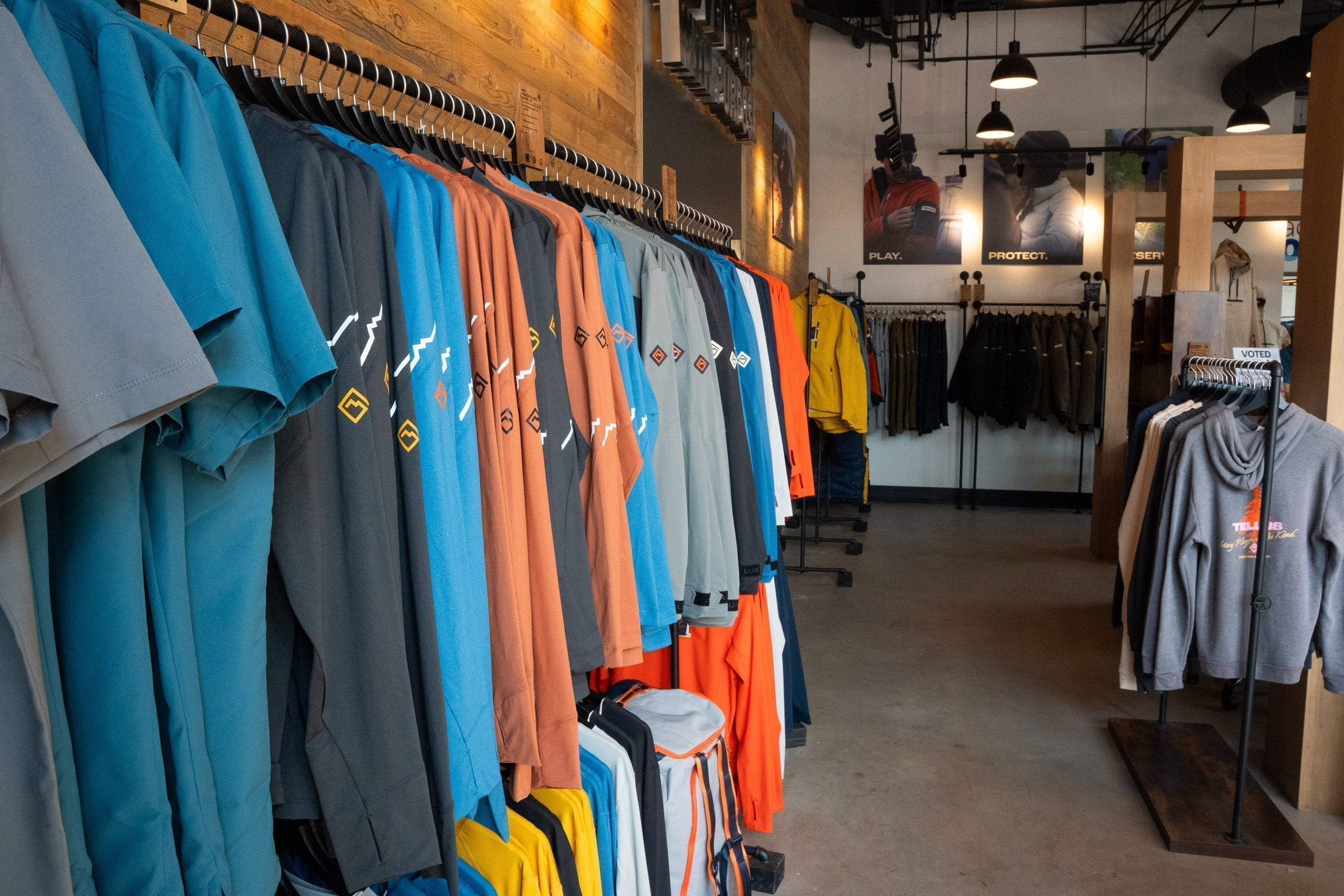
Every year, millions of pounds of clothing end up in landfills, even though much of it could have been worn longer, donated or recycled. If you've ever wondered how to recycle clothing or how to dispose of old clothes responsibly, the answer starts long before your garments reach the end of their life.
At Tellus, we believe the most sustainable piece of clothing is the one you'll wear for years. That's why we create sustainable outdoor clothing designed for durability, versatility and timeless style. When clothing lasts longer, it uses fewer resources over time and creates less waste.

How to Make Clothes Last Longer
One of the easiest ways to reduce your environmental impact is to extend the life of the clothing you already own. With a little care, your favorite hiking pants, sun shirt or jacket can stay adventure-ready for years to come.
Here are a few simple tips for how to make clothes last longer:
- Wash garments only when needed to reduce wear on fabrics
- Follow the care label and wash in cold water whenever possible
- Hang dry technical apparel to help preserve fabric performance and fit
- Repair loose seams, replace missing buttons or patch small tears before they become larger problems
These simple habits not only keep your gear performing at its best, they reduce the need to replace clothing as often.
When to Donate vs. Recycle Clothing
If your clothing is still clean, functional and wearable, you can donate it to a local charity or thrift store, pass it along to a friend, or participate in a clothing swap. Keeping a garment in use is one of the best ways to reduce textile waste.
If an item is stained, torn beyond repair or no longer wearable, it's time to explore textile recycling. Many communities offer textile recycling programs that transform old fabrics into carpet padding, industrial cleaning cloths, insulation or even fibers for new textile products.
Learning how to recycle clothing helps keep valuable materials in use and out of landfills.
When your favorite gear has truly reached the end of its adventure, mail-in textile recycling programs like Trashie and Retold Recycling can help keep worn-out clothing out of landfills. While donation is always the preferred option for wearable items, these services provide a responsible solution for textiles that are no longer fit to wear.

Shop Better, Buy Less
The best way to reduce clothing waste is to purchase thoughtfully from the beginning.
When shopping for outdoor apparel, look for:
- Recycled or responsibly sourced materials
- Durable construction that stands up to years of use
- Timeless designs that won't go out of style
- Versatile pieces that work across multiple seasons and activities
Investing in fewer, better-made garments often costs less over time than replacing lower-quality clothing year after year.
That's the philosophy behind every Tellus product. Our apparel is made with recycled and organic materials whenever possible, built for lasting performance, and designed to move effortlessly from the trail to everyday life. Our focus is on creating gear you want to reach for season after season.
Adventure with Purpose
Choosing longer-lasting clothing reduces waste and helps create a more circular future.
At Tellus, we're proud to be a social enterprise that goes beyond making great gear. Through our GiveBack100 initiative, we donate 100% of our net profits to environmental conservation and restoration projects. Every purchase helps protect coral reefs, conserve land and water, and restore forests while supporting a better way to make and buy outdoor apparel.
Knowing how to dispose of old clothes responsibly, choosing sustainable outdoor clothing, and caring for your gear are simple actions that create lasting impact. Together, we can buy less, wear more, recycle responsibly and help protect the places we love to explore.
FAQs
How do you recycle old clothing?
Clothing that is no longer wearable can often be taken to a local textile recycling program, where it may be turned into insulation, industrial wiping cloths, carpet padding or new textile fibers. If clothing is still in good condition, donating or selling it is usually the more sustainable option.
What is the best way to dispose of old clothes?
The best way to dispose of old clothes is to keep them in use for as long as possible. Donate wearable garments, repair items with minor damage and recycle textiles that can no longer be worn instead of throwing them in the trash.
How can I make my clothes last longer?
Wash clothing only when needed, follow care instructions, use cold water, hang dry technical garments when possible and repair small issues like loose seams or missing buttons before they become bigger problems.
Why is buying durable clothing more sustainable?
High-quality clothing lasts longer, reducing the need for frequent replacements. This helps conserve the water, energy, and raw materials used to manufacture new garments while keeping textiles out of landfills.


The Women of Tellus: Three Trips. Three Packing Lists.
Your Ultimate Travel Companion: Tellus Duffle Bags