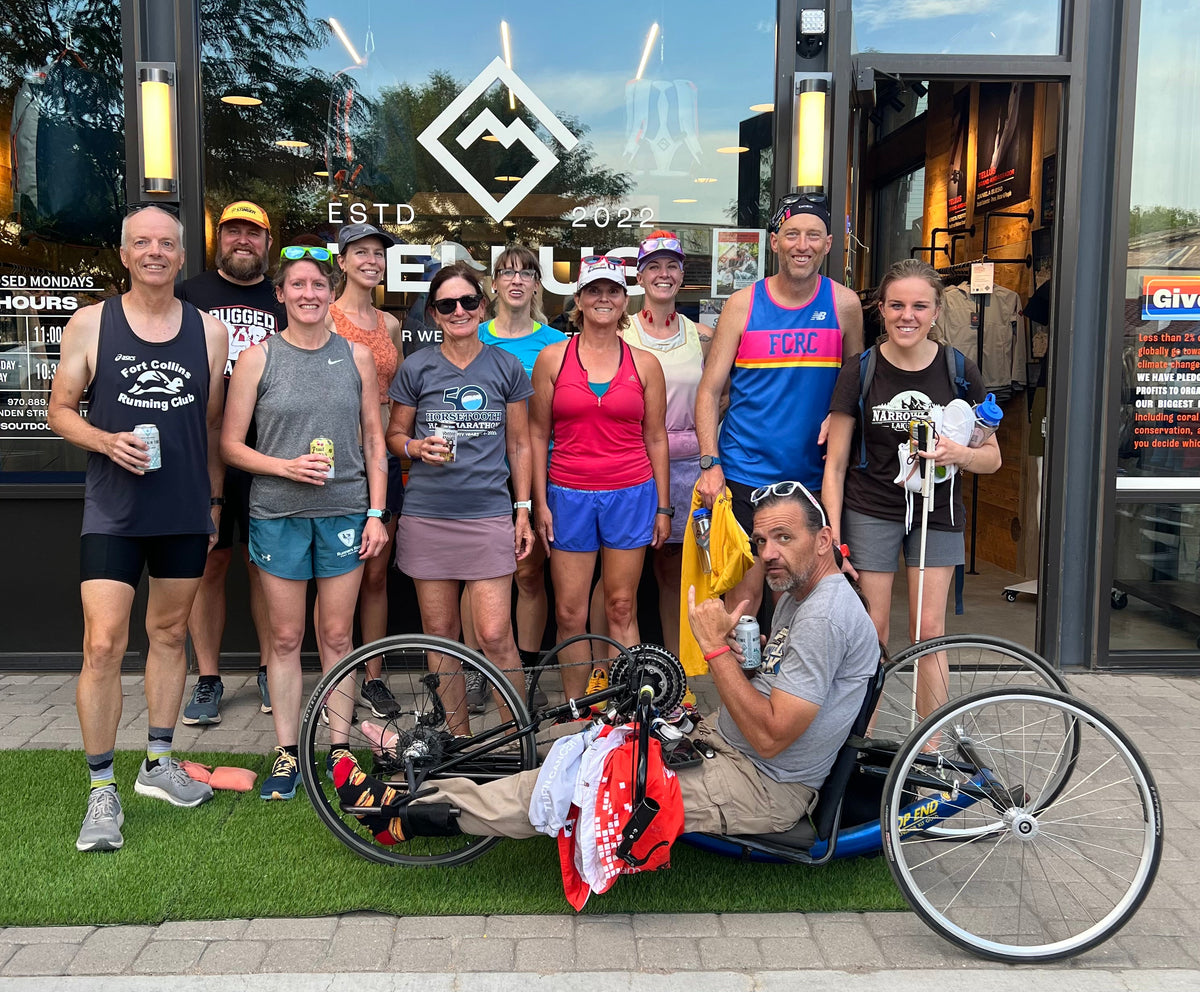
We donate 100% of net profits to environmental initiatives through The Nature Conservancy

By Melissa Basta

I had never experienced anything so transformative in the water in my life.  

As a family, we've snorkeled in places from Mexico to the Galápagos Islands and the Maldives to Hawaii. But what we experienced in Mo'orea was different. It was hopeful.  

Earlier this year, Joe and I traveled to French Polynesia to celebrate our daughter at the end of a 90-day sail-training voyage from the Caribbean to the South Pacific.   

Visiting Coral Gardeners wasn’t part of our original plan but became the best part of our trip.  

We’ve been following Coral Gardeners on Instagram almost since the day we launched Tellus’s social channels. I’ve been fascinated by the story of founder Titouan Bernicot, his brother and a group of local teenage surfers who noticed the reefs surrounding their home island were dying and decided to do something about it.  

Over the years, through our support of The Nature Conservancy's Super Reefs program, I have learned more about coral reefs, climate change and reef restoration. Experiencing it in person was something entirely different.  

When I realized Coral Gardeners was located on one of the islands we were visiting, I immediately booked a tour. Apart from seeing our daughter for the first time in 90 days, it was the thing I was most excited about.  

The Reef Beneath the Surface

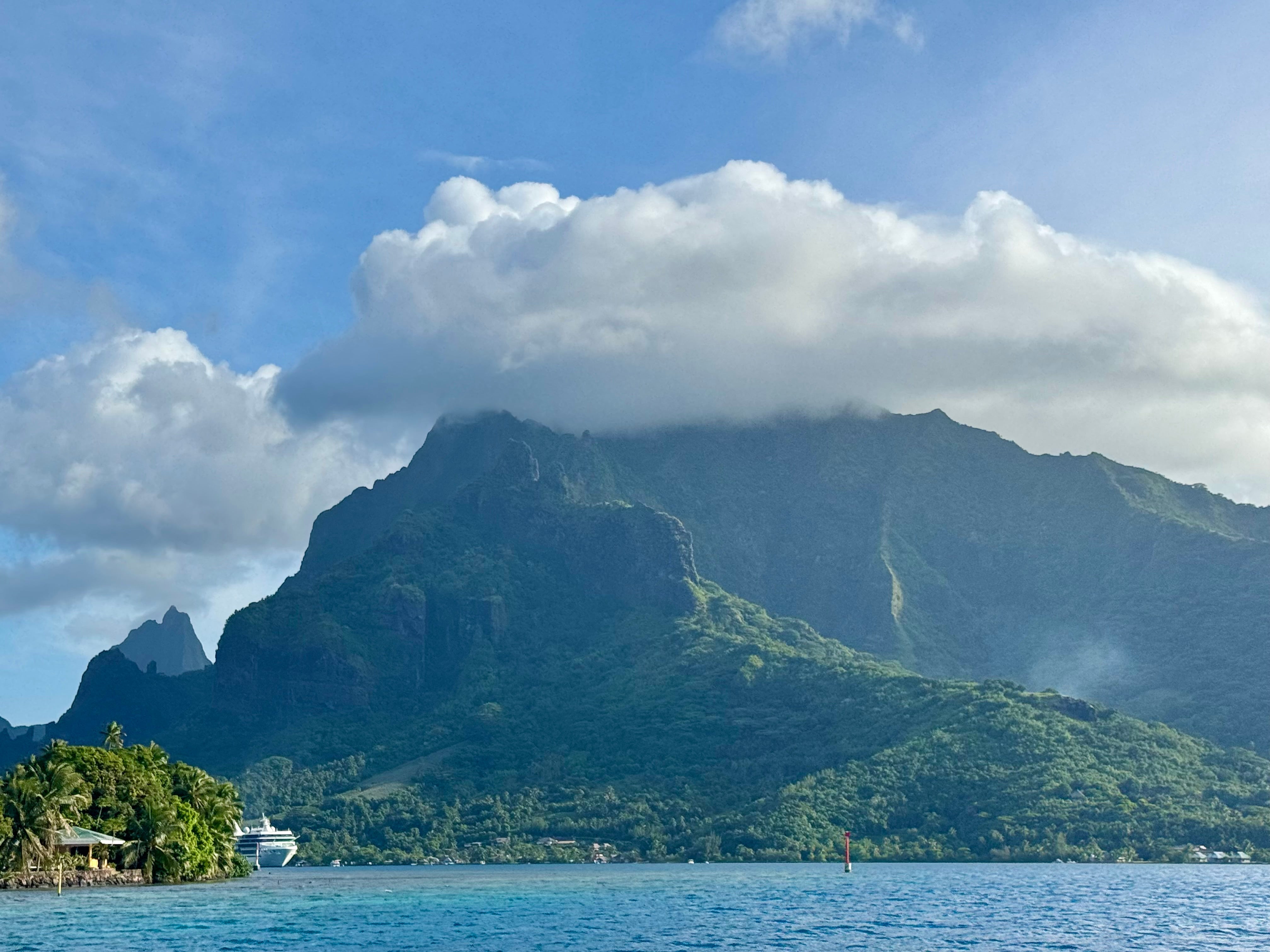
Mo'orea is one of those places that doesn't seem real. Sharp green mountains rise from turquoise lagoons, and the Pacific stretches endlessly in every direction. Everywhere you look, water shapes the landscape, the culture and daily life.  

On our final day in Mo'orea, we made our way to Coral Gardeners headquarters. The organization was founded by Titouan Bernicot, the son of pearl farmers who grew up surfing, diving and spending countless hours in the waters surrounding Mo'orea. In 2017, he and a group of friends noticed the reef they had grown up with was fading. Rather than watch it disappear, they decided to take action. Titouan was only 18 years old. What began as a small “backyard” garden has grown into one of the world’s leading restoration organizations.

For our tour, we climbed aboard one of the Coral Gardeners' boats and headed out into the lagoon. Our first stop was a dying reef. Gray, quiet and lifeless, it was easy to see the reef was struggling.  

Then we swam out to the coral gardens, and the contrast was remarkable.  

Below us were rows of corals growing on nursery structures beneath the water.   

As I floated above them, I couldn't stop thinking about how appropriate the word "garden" really was. Neat rows of coral stretched beneath the surface as fish darted from fragment to fragment.  

The coral wasn't growing in isolation. It was creating habitat. Fish were returning. Life was returning. Coral Gardeners help rebuild the foundation of an entire ecosystem that supports life both above and below the water.  

From the gardens, we swam over areas where mature corals had been transplanted back onto damaged reefs. For a few moments, I stopped swimming and just floated. Suspended in the water, with nothing but the sound of my own breathing and the occasional crunch of fish feeding, the restored reef below was magical. 

Coral reefs are living organisms. They are not rocks on the ocean floor. Seeing them alive made me feel alive too. I was looking at proof that people can make a difference.  

The People Behind the Reef 

As impressive as the science, technology and restoration work were, what stayed with me most was the people behind it all.  

At the end of the tour, we had the opportunity to meet Titouan and several members of the Coral Gardeners team. It was clear this was much more than a job. These were people deeply connected to a place they love and committed to protecting it.   

Titouan was every bit as engaging in person as he appears in Coral Gardeners’ videos and social media content. Joe and I were both impressed by his sincerity, urgency and determination to move as quickly as possible before it is too late for many of the world's reefs.  

At one point, Titouan said: "The biggest fire happening on the planet is the one happening in the ocean."  

Coming from Colorado, that comparison hit home. We've watched wildfires reshape forests, watersheds and communities across our state.  

Whether it's a forest, a watershed or a coral reef, the principle is the same. When ecosystems are damaged, recovery depends on people willing to do the work. 

What I left with wasn't optimism. It was evidence that a small group of committed people can make a difference.

From Colorado to Mo'orea

But what struck me most wasn't the beauty of the island. It was the reminder that the ocean connects all of us, whether we live on a tropical island, along a coastline or in the Rocky Mountains of Colorado.   

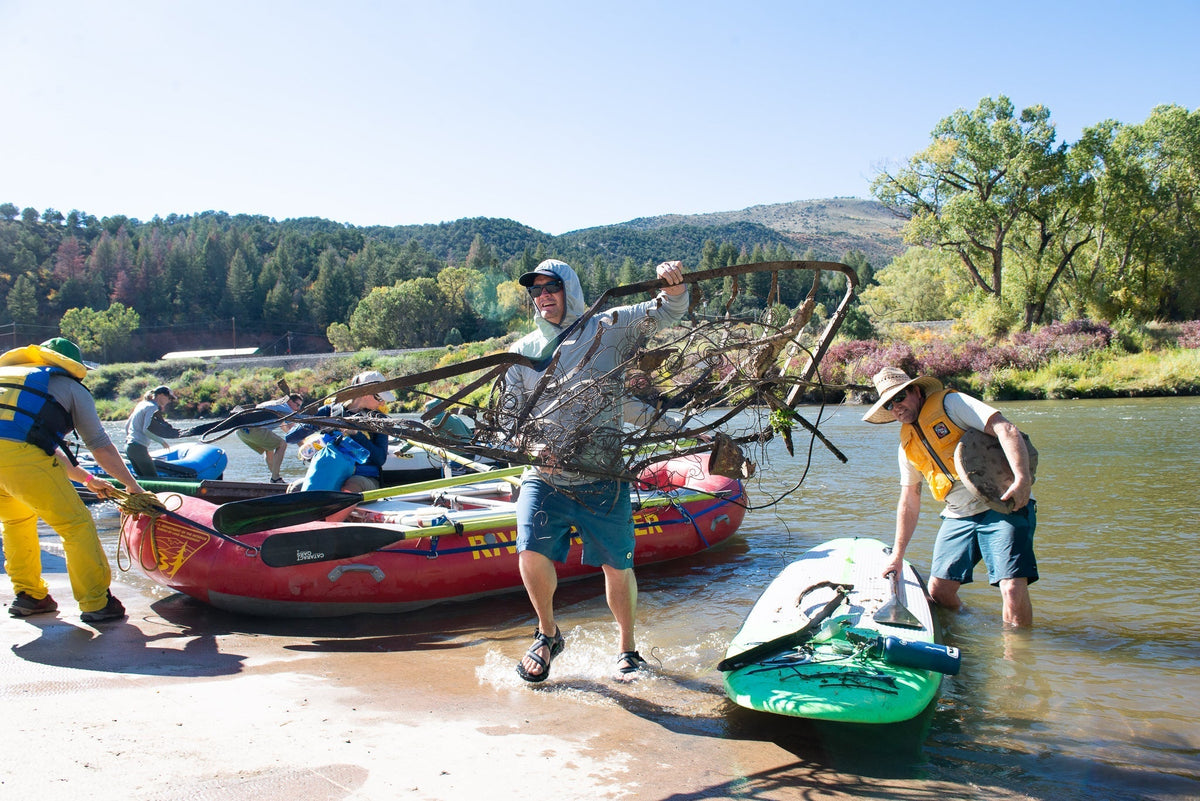
Living in Colorado, it's easy to think of coral reefs as something distant from our daily lives. After our time in Mo'orea, I found myself thinking about the conservation work happening here in Colorado: the forests being restored after wildfire, the willows being planted along rivers and the volunteers restoring watersheds and protecting wildlife habitat.  

At first glance, those efforts may seem very different from growing coral in French Polynesia. 

From the headwaters of Colorado to the reefs of Mo'orea, everything flows downstream. The health of our forests affects our rivers. The health of our rivers affects our oceans. We are all connected to the ocean, whether we can see it from our front porch or not. 

Adventure With Purpose 

Experiences like this reinforce why Joe and I built Tellus as a social enterprise and why we donate 100% of our net profits to environmental causes, because Adventure With Purpose means more than just getting outside. 

This trip reminded me that Adventure With Purpose isn't the person standing on top of the mountain. It's the person planting the tree, growing the coral, collecting the seeds, restoring the river and doing the work.  

Those are the people who inspire us. Those are the stories we want to tell.  

The reefs of French Polynesia may be thousands of miles from Colorado, but the future of their health affects us all. Thanks to people like Titouan and the Coral Gardeners team, there is reason to be hopeful. 

Since 2017, Coral Gardners has planted 221,000+ corals, restored 103+ coral species with an averagre coral survival rate of 80%+. Learn more about their work:

Read the Coral Gardeners 2025 Impact Report

Watch the Coral Gardeners Short Film