



One of the simplest ways to love Mother Earth is to choose materials designed to reduce waste and last longer. That belief shapes everything we make. It’s why we’re always seeking better materials that don’t just perform in the wild but also tread more lightly on it. During our search, we found Seawool®, a fabric that represents a smarter, more responsible way forward.
What is Seawool?
Seawool is an innovative textile made by combining recycled post-consumer waste plastic bottles with crushed oyster shell waste. These materials are transformed into a soft, durable fiber that looks and feels like traditional performance fabrics but has a significantly lower environmental footprint. It’s not just a way to recycle. It’s a way to give waste a new life.
Performance Without Compromise
Choosing better materials doesn’t mean sacrificing performance. Seawool is naturally temperature-regulating, which helps keep you cool when it’s warm and comfortable when it’s not. It also offers odor control, moisture management and a soft, lightweight feel that holds up over time. Whether you’re out on the trail, traveling light or just moving through your day, Seawool is designed for performance and durability.
And durability is important, too. The longer your gear lasts, the less it needs to be replaced. That’s a win for both you and the planet.
Lower Impact, By Design
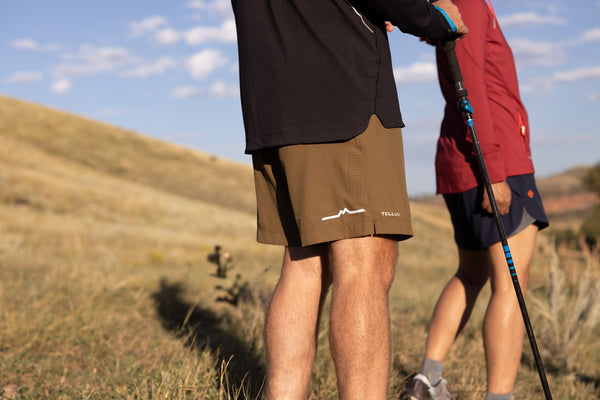
Every Seawool garment represents waste diverted from landfills and oceans. By turning discarded materials into high-performance fabric, we reduce reliance on virgin resources while giving new life to what already exists.
That’s what “wear better” means to us. It’s about making intentional choices, choosing materials that align with our values and reducing our impact without compromising performance or quality.
Could oyster shells go back to the ocean?
In some coastal communities, oyster shells can be returned to the ocean to help restore reefs and marine ecosystems. Healthy oyster reefs support biodiversity, help protect shorelines and naturally filter water.
But not every shell makes its way back. Geography, infrastructure and shell quality all play a role, and many shells from the food industry become waste.
That’s one reason we were intrigued by Seawool. Instead of heading to a landfill, oyster shell waste is repurposed into performance fabric alongside recycled plastic bottles.
Is it perfect? No material is. But at Tellus, we believe better choices matter. We look for materials that help reduce waste and perform well outdoors.
How Seawool Supports the Tellus Mission
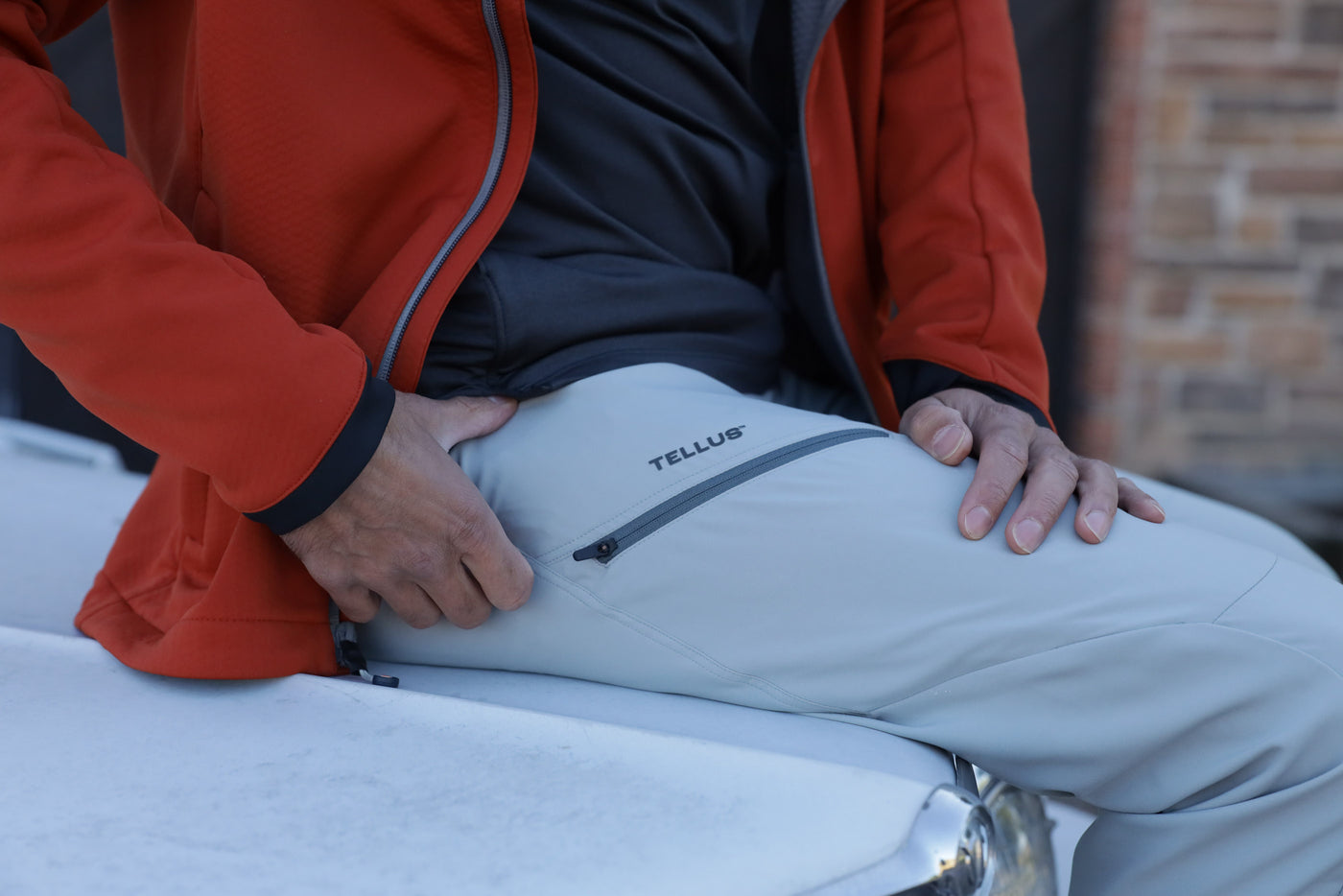
Tellus exists to protect the places we love. Using materials like Seawool is one way we live that mission. It allows us to design products that are not only built for adventure but also built with purpose. But we don’t stop at materials.
Unlike traditional outdoor brands, Tellus is a social enterprise. We give 100% of our net profits to conservation and restoration initiatives. That means every purchase goes beyond your gear. It directly supports efforts to preserve wild spaces, restore ecosystems and protect the planet for future generations.
Why Tellus Is Different

We believe gear should do more than perform. It should stand for something.
By choosing Tellus outdoor wear, you’re choosing thoughtfully designed products, lower-impact materials like Seawool and a commitment to giving back. You’re choosing to wear better for yourself and for your Mother Earth.
FAQs
What makes Seawool sustainable?
Seawool uses recycled plastic bottles and oyster shell waste, reducing landfill and ocean pollution while minimizing the need for new raw materials.
Does Seawool perform like traditional fabrics?
Yes. Seawool offers moisture-wicking, odor control, temperature regulation and durability, making it ideal for outdoor and everyday wear.
Is Seawool comfortable?
Absolutely. It has a soft, lightweight feel that’s comparable to premium performance fabrics, with added natural benefits from the oyster shell component.
How does Tellus give back?
Tellus donates 100% of net profits to conservation and restoration initiatives, supporting projects that protect and rebuild natural environments.


Tellus Mater Means Mother Earth